Tātari ā-Whare Whakawā
Forensic science
PHF Science leads world-class forensic science and research, providing expertise to stakeholders and communities in New Zealand and overseas.

About
We provide key forensic science services to New Zealand Police and work closely with other agencies, including New Zealand Customs Service and Ministry of Health.
PHF Science is an innovative, globally trusted forensic science organisation, supporting safer communities for all.
Our work serves to ensure fairness and equity in New Zealand's justice and social sectors whilst reducing harm in the community.
We are leaders in drug analysis and intelligence, toxicology, and human biology. Our crime scene investigators work with New Zealand Police and other law enforcement, providing expertise in physical evidence analysis, blood pattern analysis, and DNA profiling.
Through cutting-edge research and development, we apply the latest technology to forensic science. Forensic services developed by PHF Science including Lumi™ Drug Scan and STRmix™ are now making a difference to communities around the world.
A responsible artificial intelligence framework for forensic science
08 Oct, 2025
As artificial intelligence and automated workflows become embedded in forensic science, there is a need for a comprehensive framework to ensure that they are fit for purpose. A review of existing AI guidelines and policies has identified a commonality of principles but an absence of the level of detail required for an organisation to implement these expectations at an operational level
Reporting the value of biological findings given activity level propositions: A discussion of published recommendations
20 Jun, 2025
Evaluation of DNA given activity propositions (EGALP) is a widely discussed topic at this time, particularly in the United States. There is concern about opinions given in testimony that are not properly founded. Guidance on evaluative reporting given alleged activities can be found in published papers, official documents, and specialized textbooks. In this work, we aim to align and compare recommendations on evaluative reporting of DNA results.
Advancing forensic body fluid identification: A comparative analysis of RT-LAMP+CRISPR-Cas12a and established mRNA-based methods
18 Jun, 2025
In forensic science, the analysis of body fluid evidence determines the cellular origin of a sample, aiding in the reconstruction of a potential crime. Messenger ribonucleic acid (mRNA) based confirmatory tests address limitations of current conventional methods, providing increased specificity and sensitivity, minimal sample consumption, and the detection of a broader range of body fluids.
Forensic entomology in New Zealand – a gap assessment
18 Jun, 2025
With obvious gaps in forensic entomology research in Aotearoa, questions arise about what the main priorities should be and how to efficiently improve the accuracy of PMI calculations in New Zealand casework. This review is equivalent to a gap assessment and will illuminate areas of research that need to be focused on, and also how other countries, esp. Australia, have faced them, with the aim to develop an implementation plan for forensic entomological application methods in New Zealand.
Point-of-need species identification using non-PCR DNA-based approaches to combat wildlife crime
17 Jun, 2025
Wildlife crime, defined as any unlawful exploitation and trade of wildlife, is a lucrative illegal global industry, along with narcotics and weapons trafficking. It encompasses the harvest, transport, exchange, and end use of wildlife or wildlife-derived products.
A murder in Boston
16 Jun, 2025
In 2009 D was convicted for the 1990 murder of C in C's own apartment. In a post-conviction review DNA attributed only to D and C (and no others) was found underneath the fingernails of C. At trial, in a hearing for a retrial, and in a pending complaint to the Massachusetts Forensic Science oversight board, the statements of government witness' regarding the meaning of the DNA evidence at activity level were a topic of debate.
A murder in Austin Texas: A case report featuring evaluation given activity level propositions
10 Jun, 2025
This report discusses the analysis of the evidence given activity level propositions for a murder case in Austin, Texas. The testimony in this case has been the subject of a complaint to the Texas Forensic Science Commission and a subsequent report.
Innovating through tradition: kava-talanoa as a culturally aligned medico-behavioral therapeutic approach to amelioration of PTSD symptoms
25 May, 2025
Levels of post-traumatic stress disorder (PTSD), trauma-related distress, and subsyndromal PTSD, (here “PTS”) among combat soldiers and first responders are of international concern. In the broader population, a PTS global epidemic is attending trauma associated with the threatscape of the Anthropocene (increased extreme weather events, natural disasters, conflict, rising poverty, emerging infectious disease) as well as the legacy of the COVID-19 pandemic.
Interpreting DNA under fingernails given activity level propositions
23 May, 2025
We have generated a general lookup table of LRs that could be used in the general case of a person of interest (POI) accused of attacking a complainant and the evidence is DNA from fingernails of the complainant.
An Upper Bound on the Power of DNA to Distinguish Pedigree Relationships
26 Apr, 2025
Background/Objectives: Dense genetic marker panels are increasingly used in kinship analysis for the identification of distant relatives. As more markers are available, it is possible to pinpoint IBD segments more precisely and more reliably, ultimately approaching close to continuously observed IBD. This study investigates the evidential value obtained for discrimination between common pedigree relationships if IBD is observed continuously across the autosomal genome without error. In the continuous case, the evidential value is limited only by the pedigree relationship and the recombination rates.
Specialist services
Specialist
services
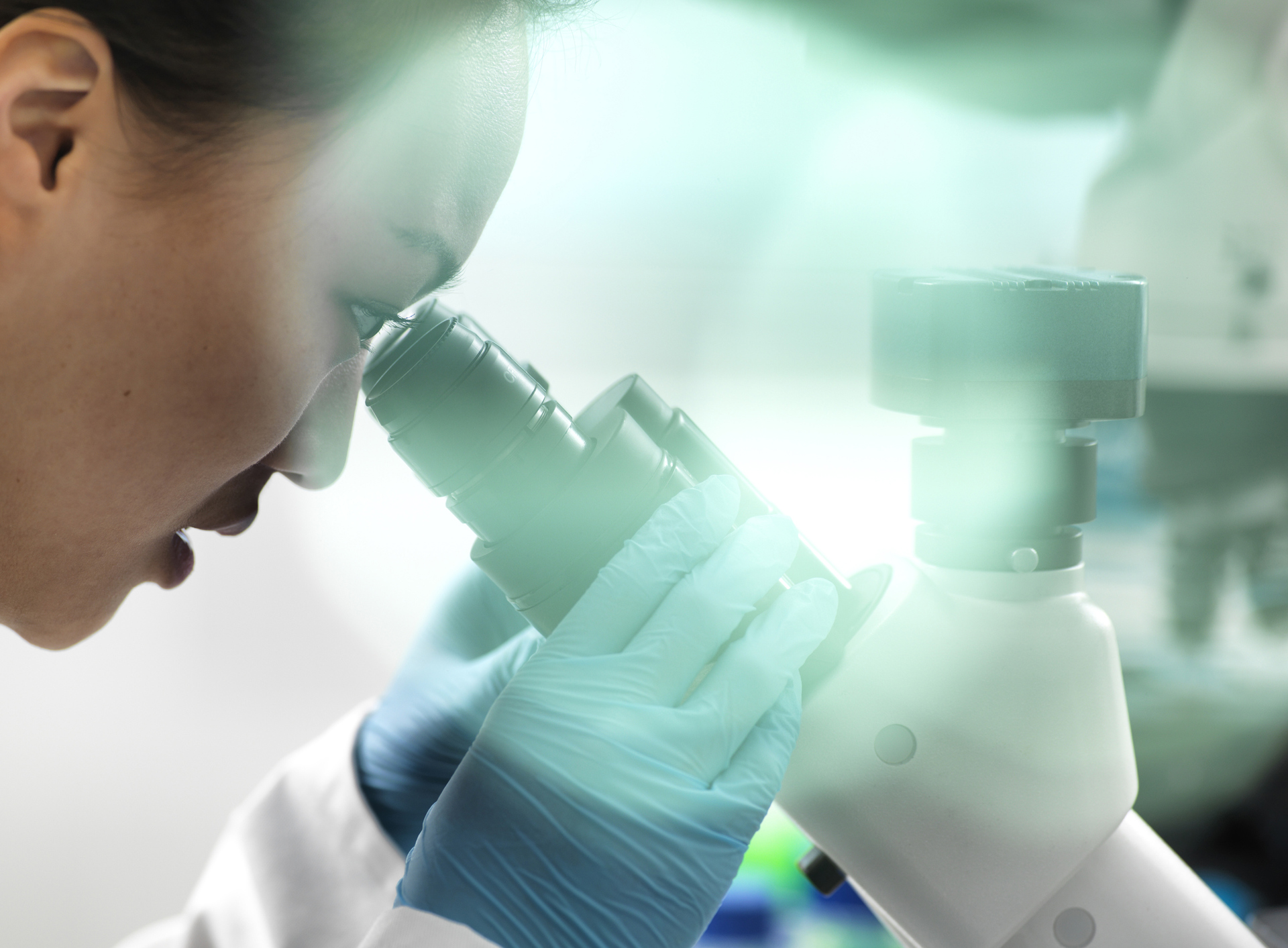
PHF Science forensic experts provide comprehensive consultancy and training services for New Zealand and international clients.
Basic level blood pattern analysis training
About
PHF Science provides Basic BPA training that can be delivered either at our Christchurch Science Centre or at your own facilities, in a course aiming to develop fundamental knowledge about the discipline of BPA, while also growing ability in recognising basic pattern types as building blocks for complex patterns.
The course is designed for technicians and scientists, research students, and others who require an awareness of BPA science.
Purpose
A course designed for technicians, scientists, research students and others who require an awareness of the science of BPA.
Scope
The course is intended to develop a fundamental knowledge of the discipline of bloodstain pattern analysis and the ability to recognise basic pattern types as building blocks for complex patterns.
This course will not qualify the trainee to be a bloodstain pattern expert but will equip them to know when an expert is required and how to work with an expert to get the best results from a bloodstain pattern analysis in the laboratory or at a scene. To be able to claim this expertise an individual will need:
-
further training in BPA at an advanced level
-
training in other related areas of forensic science
-
experience at crime scenes
-
experience in the laboratory
-
experience in the court presentation of such evidence preferably under searching cross examination
-
an up-to-date familiarity with relevant literature in this field
-
experience with laboratory reconstruction and other bloodstain pattern experiments
Course outcomes
Upon completion of this course the trainee will understand and be able to discuss:
-
the potential evidential value of bloodstain pattern analysis in the examination of a crime scene and exhibits seized in relation to it
-
the history and advancement of the discipline of bloodstain pattern analysis
-
the relevant properties of blood as a fluid, with particular emphasis on the formation of drops
-
the essence of the human circulatory system and how its characteristics can contribute to the creation of bloodstain patterns
-
how to combine an area of convergence with impact angle to locate the probable area of origin for a given bloodshed event(s)
-
the limitations and complexities of bloodstain pattern analysis
-
methods of advanced bloodstain pattern analysis
In addition the trainee will be able to:
-
recognise key bloodstain patterns and discuss the mechanism(s) by which they are created
-
estimate the direction of travel and angle of impact of a single drop bloodstain
-
apply appropriate selection criteria for the sampling of bloodstain patterns for subsequent testing such as DNA analysis and directional analysis.
-
photograph, measure, sketch and otherwise fully document bloodstain patterns at crime scenes and on individual items in the laboratory
-
be able to define the basic BPA terminology and use these terms consistently
Register for this course
If you are interested in training at our Christchurch Science Centre or at your own facility, please contact course facilitator Ros Rough by email.
Advanced level blood pattern analysis training
About
PHF Science provides an online self-paced Advanced BPA training course.
The course is a combination of assignments, practical exercises and video presentations. We provide personal feedback on all submissions and can discuss any questions you have about current cases you might be working on. At the end of the training is a mock scene examination and report writing requirement, a written exam, and a mock court exercise in which your scene report forms the basis for your testimony.
Purpose
A course of instruction designed for scientists, research students and others who require advanced level instruction in the science of Bloodstain Pattern Analysis (BPA).
Scope
The course is intended to build on competencies gained during basic level training. The focus is on the recognition and interpretation of complex bloodstain patterns.
Course outcomes
Upon completion of this module the trainee will understand and be able to discuss:
-
How different actions, that might take place during a crime, can lead to characteristic bloodstain patterns
-
Key research papers in the field of BPA
-
Case law relating to BPA
In addition the trainee will be able to:
-
Analyse and interpret complex bloodstain patterns at crime scenes.
-
Resolve the chronology of the bloodstains and reconstruct the chain of events where possible
-
Estimate regions of origin of impact spatter using physical (string), mathematical (tangent) and computer based (directional analysis) methods
-
Undertake reconstructions, simulations and research to test alternative hypotheses and understand the importance and limitations of modelling exercises
-
Be able to competently present a written report and verbal testimony to relevant scientific and judicial standards on the analysis of a scene or evidential items where bloodstain patterns are important.
-
Critically review BPA evidence
Register for this course
If you’d like to join a course, please register your interest with course facilitator Ros Rough by email.
THE FLUID DYNAMICS OF BLOODSTAIN PATTERN FORMATION TRAINING
About
This 40-hour course will give bloodstain pattern analysts an
understanding of the basic principles of fluid dynamics as
they apply to bloodstain pattern formation.
Purpose
Our aim for the course is to help bloodstain pattern analysts develop greater interpretative skills. We explore the connections between the physical mechanisms that cause blood to leave the body and the characteristics of static bloodstain patterns. We look closely at the properties of blood as a fluid and the physics of blood droplet behaviour.
Scope
We take a practical, hands-on approach. You will work in small groups on a set of experiments, using a high speed camera to capture bloodstain patterns.
Groups will review and analyse experimental data, and prepare and present presentations to the class describing the results.
You will practice making connections between the dynamics of pattern formation and the features of the resultant static bloodstain pattern.
There will also be lectures and class discussions about the principles of fluid mechanics that will help you gain higher-level interpretative pattern recognition skills.
Pre-course assignment
Some pre-course work, including refresher training on
some basic maths and physics, is required before the
course starts.
Course assessment
There are three parts to the course assessment:
- Completion of a practical workbook
- An oral presentation made on the final day of the course
- An open-book, written exam on the fundamentals of fluid dynamics
Course outcomes
After this course you will be able to:
- describe and explain the critical physical properties of fluids
describe and demonstrate the differences between blood and other common fluids and how that relates to Bloodstain Pattern Analysis - explain the underlying physical mechanisms of the formation of major bloodstain types
- relate the observed characteristics of the major bloodstain pattern types to the underlying mechanisms of their formation
- use video bloodstain pattern analysis source material in the presentation of court evidence or in basic bloodstain pattern analysis training.
Register for this course
If you’d like to join a course, please register your interest with course facilitator Ros Rough by email.
Forensic scene investigations
We provide specialist consulting services relating to vehicles involved in criminal matters. Our expertise covers the identification of vehicle occupants, number restorations, and paint comparisons.
Testing & analysis
Testing & analysis services
By being able to identify what’s really in a substance and how much someone has consumed, PHF Science's extensive drug and alcohol testing services help keep individuals and communities safer.
Research & Development
Forensic research &
development projects
PHF Science's forensic research and development projects combine casework expertise with research excellence to deliver scientific advancements that improve justice outcomes.
The projects we undertake range in scale from multi-year international collaborations, New Zealand-based contestable funding projects, and internally funded research initiatives. Many of our projects involve collaborating with New Zealand and international universities including the supervision of student internships, masters and PhD level student research projects.
Our research focuses on the impact end of science. We are interested in projects that have the potential to develop new scientific techniques or breakthrough technologies that can be applied to the casework we undertake and the contribution that forensic science makes to our communities. Undertaking research that has real impact is what attracts people to forensic science and to research in this field.
Read about our research projects
News
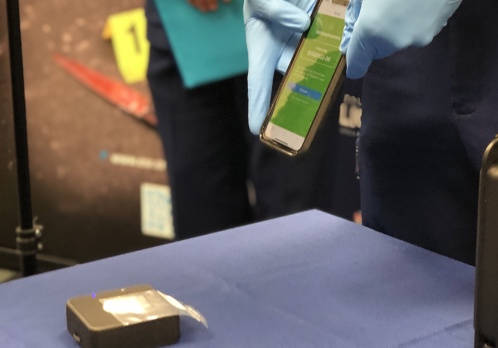
Groundbreaking drug detection service co-designed by PHF Science and New Zealand Police rolls out around New Zealand
08 July 2022
News
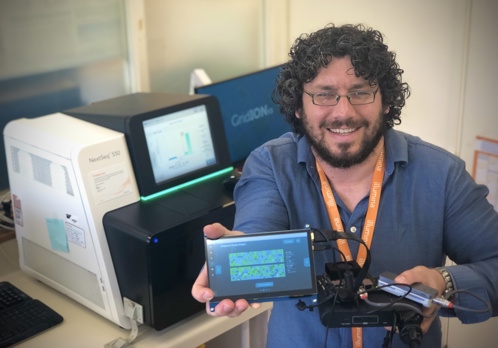
PHF Science scientists showcase benefits of collaboration for rapid-DNA sequencing
16 December 2020
Case Study

Border to Grave project
14 March 2018
Case Study
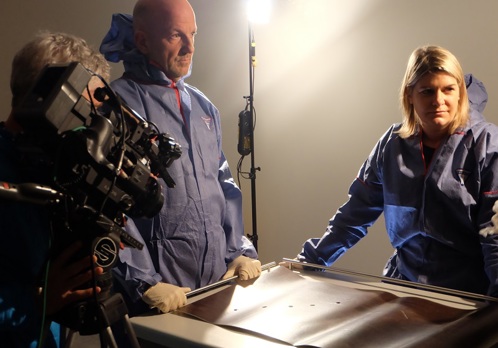
Forensic NZ documentary series
01 December 2017
Case Study
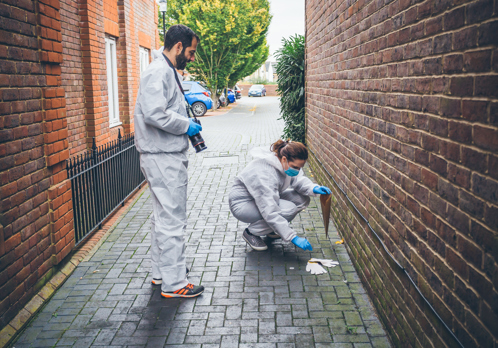
Forensic awareness training
20 November 2017
Case Study
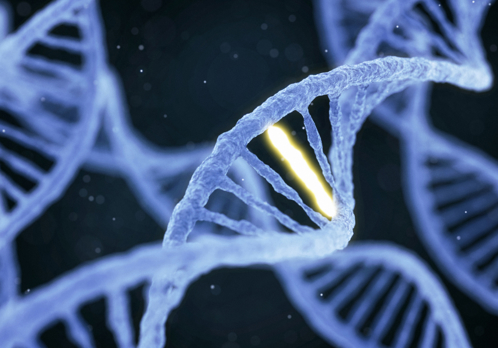
Next generation DNA
14 March 2018
Case Study
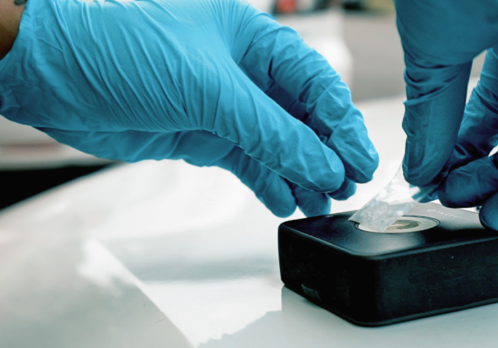
New Zealand Customs ESR Screening Laboratory
14 March 2018
News
Groundbreaking drug detection service co-designed by PHF Science and New Zealand Police rolls out around New Zealand
08 July 2022
News
PHF Science scientists showcase benefits of collaboration for rapid-DNA sequencing
16 December 2020
Case Study
Border to Grave project
14 March 2018
Case Study
Forensic NZ documentary series
01 December 2017
Case Study
Forensic awareness training
20 November 2017
Case Study
Next generation DNA
14 March 2018
Case Study
New Zealand Customs ESR Screening Laboratory
14 March 2018
Check out our news and insights on forensic science
Case Study

PHF Science to support drug checking services over the summer season
28 November 2025
News
New PHF Science-led project aims to curb harm from Fantasy with on-the-spot test
01 April 2025
News
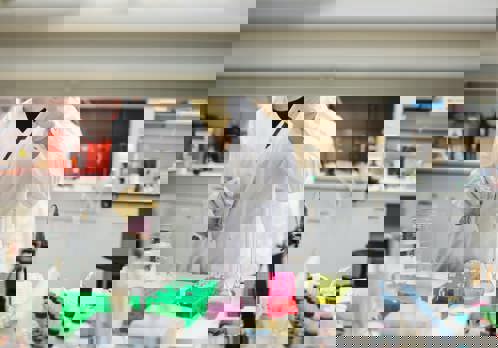
PHF Science 'Smart Idea' paper-based drug test wins $1 million in research funding
14 October 2024
News
Lumi™ Drug Scan shortlisted for KiwiNet Award
01 September 2023
News
PHF Science's Lumi™ Drug Scan wins major international award
10 March 2023
News

Lumi™ Drug Scan shortlisted for prestigious world police award
02 March 2023
News
Groundbreaking drug detection service co-designed by PHF Science and New Zealand Police rolls out around New Zealand
08 July 2022
News
Lumi Drug Scan passes major milestone
23 July 2021
News
PHF Science scientists showcase benefits of collaboration for rapid-DNA sequencing
16 December 2020
News
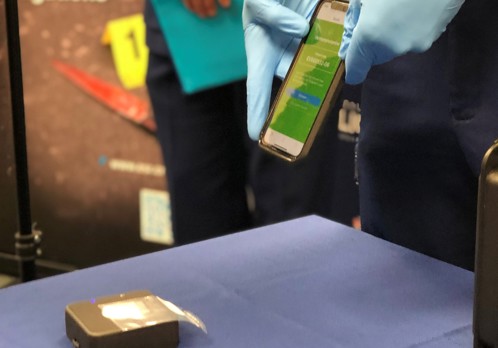
PHF Science and Police announce drug-screening solution for frontline officers
30 July 2020
Case Study
PHF Science to support drug checking services over the summer season
28 November 2025
News
New PHF Science-led project aims to curb harm from Fantasy with on-the-spot test
01 April 2025
News
PHF Science 'Smart Idea' paper-based drug test wins $1 million in research funding
14 October 2024
News
Lumi™ Drug Scan shortlisted for KiwiNet Award
01 September 2023
News
PHF Science's Lumi™ Drug Scan wins major international award
10 March 2023
News
Lumi™ Drug Scan shortlisted for prestigious world police award
02 March 2023
News
Groundbreaking drug detection service co-designed by PHF Science and New Zealand Police rolls out around New Zealand
08 July 2022
News
Lumi Drug Scan passes major milestone
23 July 2021
News
PHF Science scientists showcase benefits of collaboration for rapid-DNA sequencing
16 December 2020
News
PHF Science and Police announce drug-screening solution for frontline officers
30 July 2020
Meet some of our forensic science experts

Alex Mayer
Senior Technician
Angus Newton
Lead Senior Scientist
Chrissy Black
Senior Scientist

Heidi Baker
Forensic Science Liaison
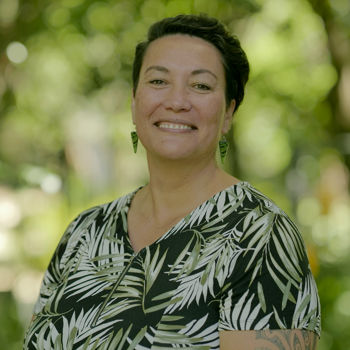
Helena Rattray-Te Mana
Scientist

Jessie Davys
Senior Technician
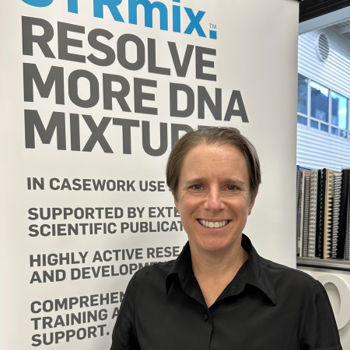
Jo Bright
Senior Science Leader

Katrina Betty
Senior Technician

Oliver Linsell
Workstream Coordinator / Scientist

Olivia Johnson
Senior Scientist

Samantha Coward
Team Leader